

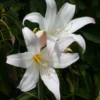
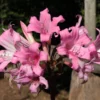
March Lily – Amaryllis Belladonna
Price range: R100.00 through R300.00
March Lily (Amaryllis belladonna) – 1 Bulb.
This fragrant, autumn-flowering bulb produces large, dramatic blooms before its winter leaves emerge. Indigenous to the Western Cape, it is a hardy and rewarding garden or container plant that returns reliably year after year.
March Lily (Amaryllis belladonna)
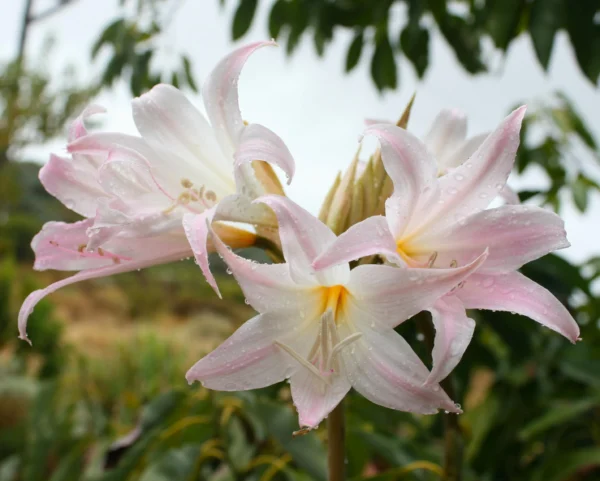
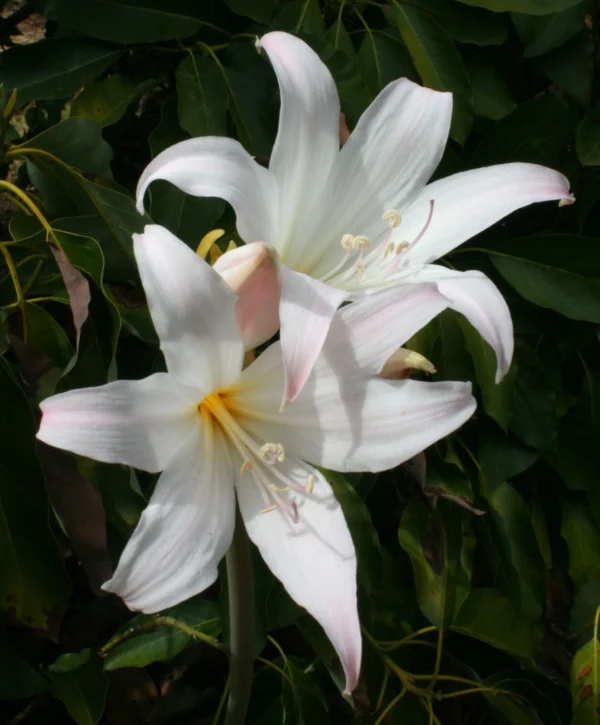
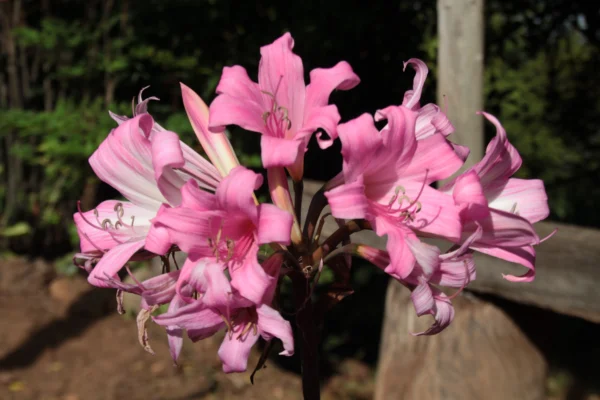
March Lily is a dramatic and rewarding fynbos bulb that brings a sense of magic to the autumn garden. Indigenous to the Western Cape, this classic fynbos species produces large flowering stems of around 60 cm, topped with showy blooms measuring up to 30–40 cm. True to its name, it flowers in March, often appearing suddenly after the first autumn rains and transforming the landscape.
Well suited to garden beds and containers, March Lily is cultivated worldwide and is highly regarded as a cut flower. Its fragrant, eye-catching blooms return reliably each year, making it a meaningful and long-lasting gift. The name Amaryllis reflects strength and beauty, while belladonna means “beautiful woman,” a fitting description for this award-winning plant.
Growing Conditions
Adapted to a winter rainfall climate, March Lily naturally grows among rocks and near shrubs or trees, where light shade helps retain moisture. It performs best in full sun but will require additional watering in brighter positions. Excessive shade should be avoided, as sunlight is essential for flowering.
The bulbs remain dormant underground during summer, then flower in early autumn, usually after the first rains. Leaf growth follows through winter. Deep watering is required while the plant is in leaf.
Soil
Prefers porous, compost-rich soil with good drainage, but will also grow successfully in less fertile soils provided drainage is adequate.
Planting
Plant bulbs during their dormant period, leaving 1–2 cm of the neck exposed above the soil. Space bulbs at least 15 cm apart, as they grow large over time. Avoid disturbing the roots to ensure good flowering. Replanting every five years is recommended to stimulate blooms.
Maintenance
Minimal care is required. Occasional feeding with natural nutrients such as worm tea, vermicompost, or compost will support healthy growth.
Notes
This plant is toxic, but when correctly prepared and used in appropriate doses, it has recognised traditional medicinal uses. The bulbs contain phytochemicals including phenolic acids, terpenoids, and alkaloids, and have been used in infusions, tinctures, decoctions, poultices, and powders for various traditional applications.
| Weight | 0.7 kg |
|---|---|
| Dimensions | 40 × 16 × 20 cm |
| Size | Small, Medium, Large |
Only logged in customers who have purchased this product may leave a review.
Related products
-
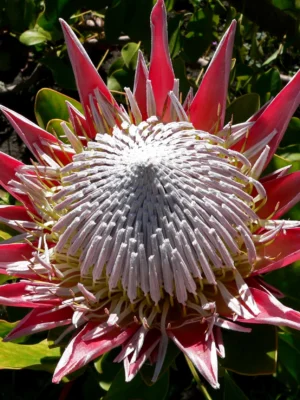
King Protea – Cynaroides
Price range: R250.00 through R400.00Select options This product has multiple variants. The options may be chosen on the product page -
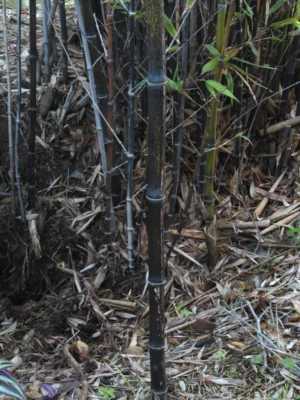
Black Bamboo – Bambusa Phyllostachys Nigra
R400.00 -
Dwarf Babiana – Babiana Hypogea
R100.00 -
Conebush – Leucadendron
R180.00Select options This product has multiple variants. The options may be chosen on the product page
Reviews
There are no reviews yet.